
Scientific Foundation
Investigating the biology of neural recovery
Our research approach builds on published findings in animal models. Explore the experiments, their limitations, and the questions guiding Xycota’s development programs.
Preclinical research · Human benefit remains to be established
Published evidence · Animal model
Inside the published experiment
Researchers investigated how repeated low doses of psilocybin affected object-recognition memory in a Fragile X rat model and examined the signaling pathways involved.
Source: Ascone F, Buzzelli V, Mottarlini F, et al. Neuropsychopharmacology 2026; 51(8):1454-1463 · Male Fmr1-Δexon 8 and wild-type Sprague-Dawley rats
Figure 3 · TrkB antagonism and object-recognition memory
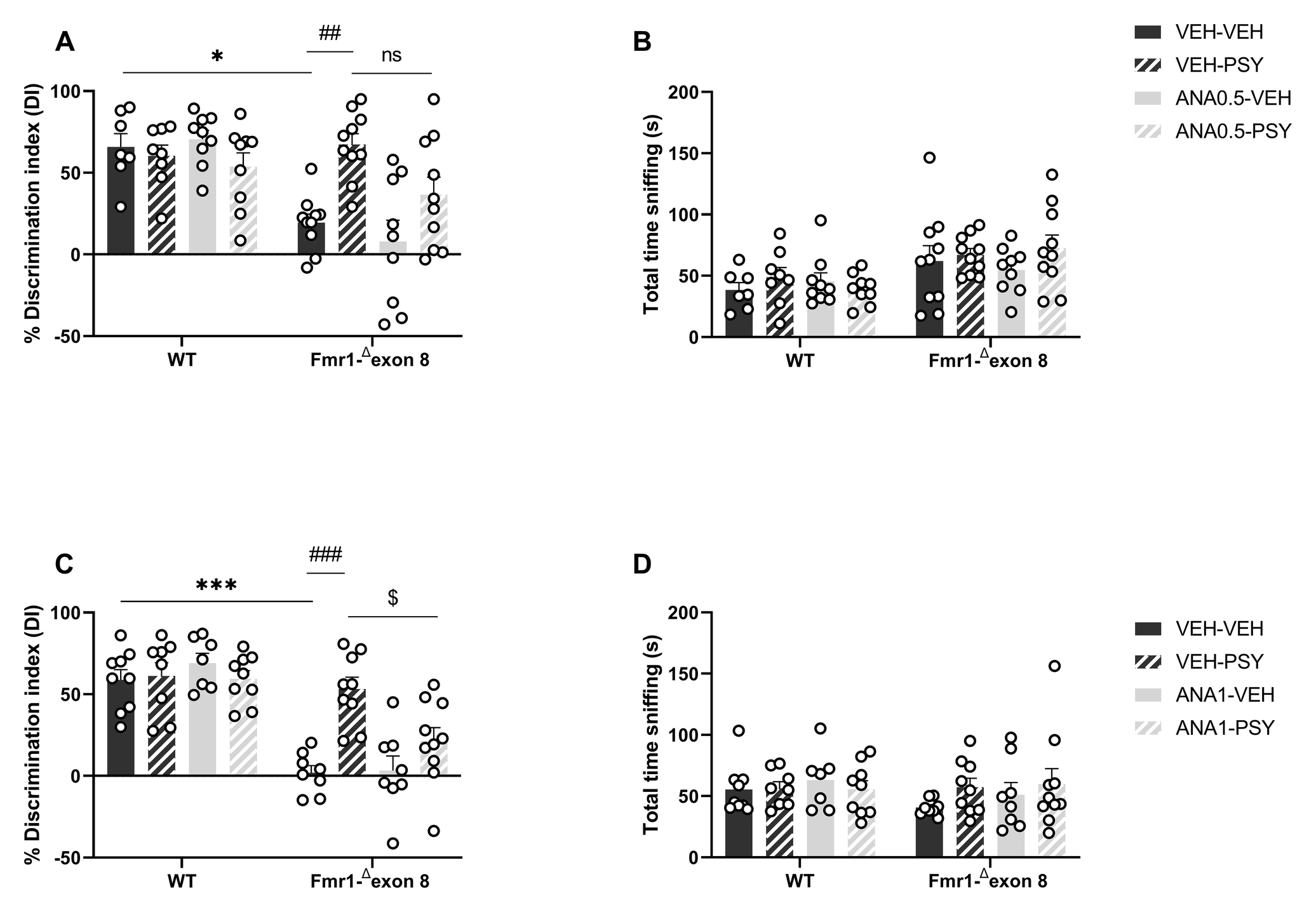
Figure reproduced without modification from Ascone et al., Neuropsychopharmacology (2026), © The Author(s) 2026, licensed under CC BY 4.0. Changes: white padding added around the image; the caption summary and readability key are Xycota’s text, not the publisher’s. No credit-line exclusion is attached to this figure in the article.
Question asked
What researchers observed
What remains unknown
- BDNF
- Brain-derived neurotrophic factor, a protein involved in synaptic development, learning, and memory.
- TrkB
- The high-affinity receptor for BDNF. ANA-12 is a research compound that blocks it.
- 5-HT2A and 5-HT1A
- Serotonin receptors. 5-HT2A activation is linked to psilocybin’s hallucinogenic effects.
- pAKT (Ser473)
- A phosphorylated form of AKT, used as an indirect readout of signaling downstream of TrkB.
Experimental methodsDosing schedule, antagonist doses, tissue methods, and statistics, taken from the paper
Animals. Male wild-type and Fmr1-Δexon 8 rats on a Sprague-Dawley background. Five independent cohorts were used for behavior (one per experiment). A separate single cohort supplied brain tissue for the biochemical analyses.
Psilocybin schedule. 0.1 mg/kg by oral gavage, every other day from postnatal day (PND) 34 to PND 44. The paper describes this as “every other day for two weeks.” Object-recognition testing took place five days after the final dose; prefrontal cortex tissue was collected at PND 50.
Antagonists (i.p.). Volinanserin (M100907, 5-HT2A) 0.25 mg/kg, 15 min before each psilocybin dose. WAY-100635 (5-HT1A) 0.3 mg/kg, 10 min before. ANA-12 (TrkB) 0.5 mg/kg in one experiment and 1.0 mg/kg in another, 3.5 h before each dose.
Behavior. Novel object recognition: 5 min training with two identical objects, 30 min interval, 5 min test with one familiar and one novel object. Discrimination index = (novel minus familiar exploration time) divided by total exploration time, as a percentage. Scored blind to genotype and treatment.
Tissue. Western blot of prefrontal cortex homogenate (prelimbic, infralimbic, anterior cingulate), normalized to β-actin and expressed relative to wild-type vehicle controls; n = 5 per group in Figure 5.
Statistics. Mean ± SEM. Three-way ANOVA (genotype × psilocybin × antagonist) for behavior and two-way ANOVA for biochemistry, each followed by Tukey’s post hoc test.
Human-equivalent dose (allometric calculation). The authors applied FDA Km scaling (rat Km = 6, human Km = 37) to estimate 0.016 mg/kg, about 1.1 mg for a 70 kg adult. This is a body-surface-area conversion, not a measured human exposure.
Funding and disclosure. Partly funded by Nova Mentis Life Science Corp., which also provided the psilocybin. Dr. Hausman served as its Scientific Director when the study was designed. Per the paper, the company had no role in data collection, analysis, or interpretation.
From animal evidence to a proposed human study
Why these findings motivate a PTSD study
The rat result is the starting point, not the answer. Each step below has a different level of evidence.
Memory rescue in a Fragile X rat model
Repeated low-dose oral psilocybin restored object-recognition memory in Fmr1-Δexon 8 rats. The effect persisted under serotonin-receptor blockade and was abolished by TrkB blockade at 1.0 mg/kg.
Ascone et al. 2026 · male rats · one behavioral task
BDNF signaling and fear extinction
In rodents, BDNF signaling in the hippocampus and infralimbic cortex supports extinction of learned fear (Peters et al., Science 2010). Psychedelics have been reported to bind TrkB and enhance BDNF signaling in mice (Moliner et al., Nat Neurosci 2023).
Impaired fear extinction is a feature of PTSD, so this pathway is a reasonable hypothesis to study. It has not been shown to work this way in people with PTSD.
XYCO-02: proposed mild-PTSD study
A proposed 28-day, at-home study of a standardized, sub-perceptual oral psilocybin capsule versus matched placebo in adults with mild PTSD. Subject to Health Canada review.
A change in blood BDNF alone would not establish brain repair or receptor engagement.
What is known about sub-perceptual dosing in people. A blinded single-dose study in healthy adults evaluated low-dose oral psilocybin across minimal milligram doses to characterize perceptual thresholds relative to placebo (Levy-Cooperman et al., J Psychopharmacol 2026). Whether repeated sub-perceptual dosing over 28 days is tolerated and has any effect in adults with mild PTSD is the open question XYCO-02 would study.
Regulatory context and prior low-dose outpatient experienceWhat has already happened, kept separate from what Xycota has applied for
Confirmed prior experience. Our CRO partner KGK Science previously ran a Health Canada authorized study of low-dose, sub-perceptual oral psilocybin in adults with Fragile X Syndrome (NCT05832255), sponsored by Nova Mentis Life Science Corp., where Xycota CSO Dr. Marvin S. Hausman, MD previously served as Scientific Director (Nova Mentis has since undergone corporate restructuring and ceased its research operations). That study was open-label, single-arm, enrolled up to 10 participants, and is currently listed as suspended pending protocol revisions. Xycota does not own or control that dataset.
Pending for Xycota. Next step: complete the Canadian Clinical Trial Application and submit with KGK Science. Health Canada’s review and decision would follow that submission; no decision date is assumed. Whether the prior experience supports a waiver is a question for Health Canada.
XYCO-01 · Preclinical delivery research
Investigating exosomes as a delivery approach
XYCO-01 explores exosome-encapsulated psilocin for frontotemporal dementia. Planned preclinical work would investigate delivery, tolerability, and biological effects.
- Exosome vesicle: lipid bilayer, about 40 to 150 nm
- Encapsulated payload: psilocin inside the vesicle
- Blood-brain barrier: endothelial cells joined by tight junctions
- Proposed delivery route (?): transport and retention under investigation
The research question
Can packaging psilocin inside exosomes change how much reaches the brain, how long it stays, or what it does there, compared with the free drug? None of these has been demonstrated for XYCO-01.
The transport step marked with a question mark is the central unknown. The illustration is not drawn to scale and does not depict a measured result.
Planned comparison groups
Exosome-encapsulated psilocin
The test formulation. Would show whether encapsulation changes brain exposure, retention, or biological activity.
Free psilocin
Unencapsulated drug. Tests whether exosome delivery offers any measurable advantage over psilocin alone.
Empty-exosome control
Vesicles with no payload. Separates any effect of the exosome carrier itself from the effect of psilocin.
The three-arm design is the confirmed plan. The animal model, biomarkers, dose levels, and exosome manufacturing source have not been finalized and are described as proposed in the technical details below.
The people behind the evidence
Researchers and collaborators
Xycota scientific leadership
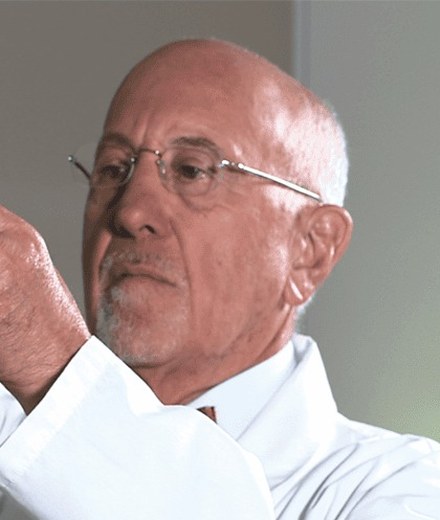
Dr. Marvin S. Hausman, MD
Chief Scientific Officer & Co-Founder · Xycota Biosciences
Contributed to the design of the behavioral and biochemical experiments in the 2026 Fragile X rat study and leads Xycota’s translational strategy.
Full biography →External academic and CRO collaborators (not Xycota employees)
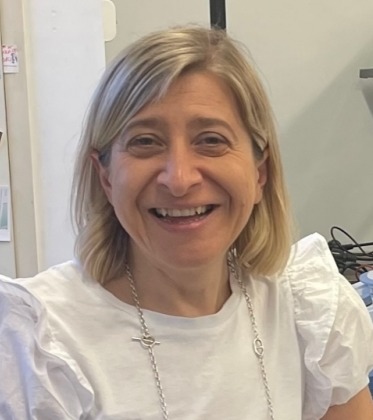
Associate Professor Viviana Trezza, PhD
Associate Professor of Pharmacology · Roma Tre University
Supervised the 2026 study and is its senior and corresponding author.
Read the publication ↗
Dr. Louise Hecker, PhD
Scientific Collaborator · Baylor College of Medicine
Senior author of the 2025 npj Aging study of psilocybin and psilocin in aging cells and aged mice.
Read the publication ↗
Andrew Charrette, MSc
Regulatory Affairs · KGK Science (CRO partner)
Guides preparation of the planned Health Canada Clinical Trial Application for XYCO-02.
Full biography →Curated reading list
Key publications
Each paper is labeled by the kind of evidence it provides.
Psilocybin improves novel object recognition in a rat model of Fragile X Syndrome (2026)
doi:10.1038/s41386-026-02361-xMale Fmr1-Δexon 8 and wild-type rats
Object-recognition memory under receptor blockade; PFC BDNF, TrkB, AKT
The primary animal evidence behind Xycota’s BDNF/TrkB hypothesis.
Psychedelics promote plasticity by directly binding to BDNF receptor TrkB (2023)
doi:10.1038/s41593-023-01316-5Mice and cell systems
Psychedelic binding to TrkB; plasticity and antidepressant-like behavior
Proposed mechanism linking psilocybin to TrkB signaling.
Induction of fear extinction with hippocampal-infralimbic BDNF (2010)
doi:10.1126/science.1186909Rats
Fear extinction after BDNF infusion
Links BDNF signaling to extinction learning, a process impaired in PTSD.
Levy-Cooperman et al., single-dose oral psilocybin in healthy adults (2026)
PMID 42797541Healthy adults, blinded single low-dose cohorts
Subjective drug effects by dose
Human data on low-dose perceptual thresholds. Single dose only; not PTSD.
Muthukumaraswamy et al., blinding and expectancy in psychedelic trials (2021)
doi:10.1080/17512433.2021.1933434Review of psychedelic clinical trials
Methodological risks from functional unblinding
Context for why dose and trial design matter in this field.
Psilocybin treatment extends cellular lifespan and improves survival of aged mice (2025)
doi:10.1038/s41514-025-00244-xCultured human cells and aged mice
Cellular lifespan and survival
Exploratory background for neurodegeneration research. Not a brain-specific result.
For specialists
Technical details and references
Experimental methodsFull methods are in the published-study section above
The dosing schedule (PND 34 to PND 44, every other day), antagonist doses and timing, Western blot procedures, statistics, and the allometric dose calculation are listed under Experimental methods beside the figures they qualify.
Study-design detailsProposed XYCO-02 protocol; pending review
Proposed: adults with mild PTSD, sub-perceptual oral psilocybin capsule or matched placebo, taken at home over 28 days, conducted with KGK Science in Canada.
Planned measurements: CAPS-5 for PTSD symptom severity (primary clinical measure) and serum BDNF as a supporting biological measurement. Interpretation would require the full results, including uncertainty and limitations.
Remaining protocol details, including sample size and visit schedule, are pending sign-off by the science team and Health Canada review.
Delivery and formulation researchXYCO-01 confirmed plans and proposed details
Confirmed: a planned preclinical study comparing exosome-encapsulated psilocin, free psilocin, and empty-exosome controls.
Proposed, not yet confirmed: the frontotemporal dementia animal model (candidates discussed include tau and TDP-43 models), outcome biomarkers, exosome source and manufacturing, loading efficiency, and dose levels.
Background: the blood-brain barrier is estimated to exclude more than 98% of small-molecule drugs (Pardridge, NeuroRx 2005). This is a general estimate and does not describe psilocin, which is known to enter the brain.
Regulatory contextHealth Canada submission timing and XYCO-01 orphan designation request
XYCO-02: complete the Canadian Clinical Trial Application and submit with KGK Science. Health Canada’s review and decision follow submission, with no promised date. Prior KGK experience with low-dose, sub-perceptual psilocybin is described in the regulatory disclosure above.
XYCO-01: an FDA Orphan Drug Designation application has been filed. Filing is not the same as designation.
Intellectual propertyScope of related filings
Nova Mentis Life Science Corp.’s patent filings are method-of-use and diagnostic-biomarker claims restricted to Fragile X Syndrome and autism spectrum disorder, not composition-of-matter claims on low-dose oral psilocybin. Xycota’s provisional filings are separately scoped to PTSD and trauma method-of-use (XYCO-02) and exosome delivery for frontotemporal dementia (XYCO-01). Provisional applications are not issued patents.
Full referencesNumbered bibliography with links
- Ascone F, Buzzelli V, Mottarlini F, et al. Psilocybin improves novel object recognition in a rat model of Fragile X Syndrome through the modulation of the BDNF/TrkB signaling pathway. Neuropsychopharmacology. 2026;51(8):1454-1463. doi · PMC13291337
- Moliner R, et al. Psychedelics promote plasticity by directly binding to BDNF receptor TrkB. Nature Neuroscience. 2023. doi
- Peters J, Dieppa-Perea LM, Melendez LM, Quirk GJ. Induction of fear extinction with hippocampal-infralimbic BDNF. Science. 2010. doi
- Levy-Cooperman N, et al. J Psychopharmacol. 2026 (blinded single-dose oral psilocybin in healthy adults). PMID 42797541
- Muthukumaraswamy SD, Forsyth A, Lumley T. Blinding and expectancy confounds in psychedelic randomized controlled trials. Expert Rev Clin Pharmacol. 2021. doi
- Goodwin GM, Aaronson ST, Alvarez O, et al. Single-dose psilocybin for a treatment-resistant episode of major depression. N Engl J Med. 2022. doi
- Kato K, et al. (senior author: Hecker L). Psilocybin treatment extends cellular lifespan and improves survival of aged mice. npj Aging. 2025. doi
- Brengel EK, et al. Communications Biology. 2026 (psilocybin in a rat model of repetitive mild head injury). doi
- Pardridge WM. The blood-brain barrier: bottleneck in brain drug development. NeuroRx. 2005;2(1):3-14. doi
- ClinicalTrials.gov. NCT05832255. Study record